
FOB or CIF: which one suits you when importing from China
CIF looks more convenient because the supplier books the freight. The problem shows up when the cargo reaches Colombia.

Blog / Port
The container belongs to the carrier and has a deadline. Going past it is charged by the day.

The container your cargo travels in belongs to the carrier. It lends it to you for a few days at no cost: the free days. When they run out, it starts charging for every additional day.
Demurrage is the charge for keeping the full container inside the terminal after the free days. Detention is the charge for keeping it outside the terminal, from pick-up until you return it empty.
Storage is separate: it is charged by the port terminal for keeping the cargo. Its deadlines and rates are different from the carrier's.
With documents ready before the vessel arrives, the declaration prepared and inland transport arranged for the day of release. Free days can also be negotiated with the carrier before shipping, especially for project cargo.
Each carrier publishes its free days and rates, and they change with the container type. Check them before booking.
CIF looks more convenient because the supplier books the freight. The problem shows up when the cargo reaches Colombia.

How a machine is shipped depends on three dimensions and on whether it can move under its own power.
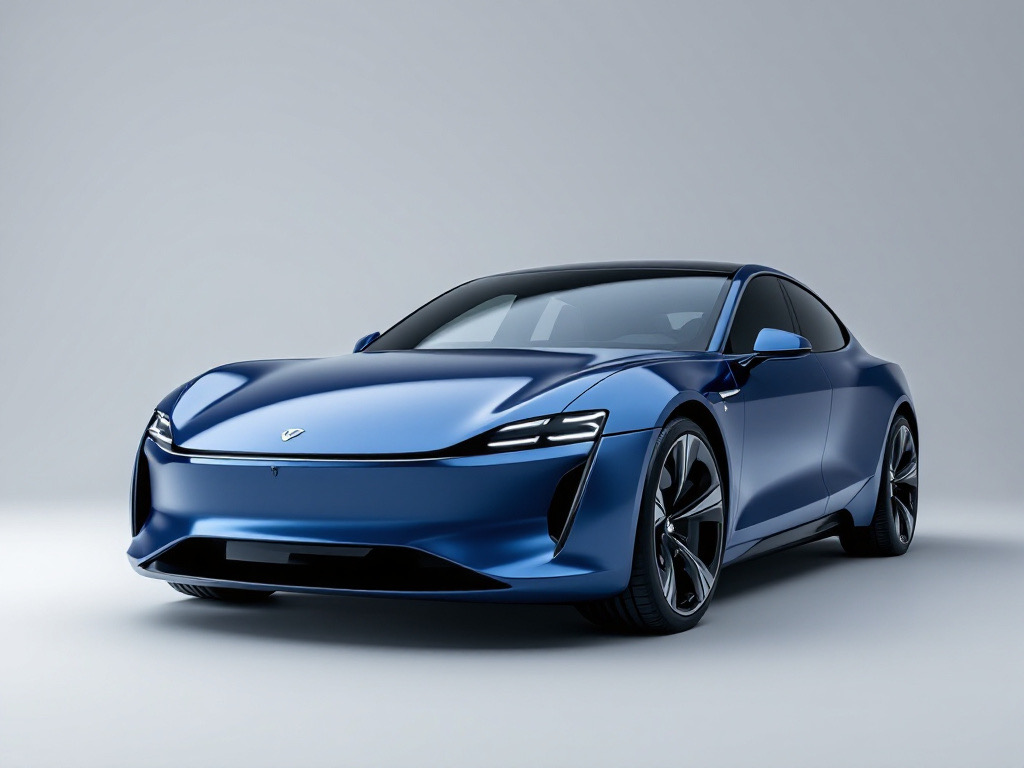
Electric vehicles have tax benefits, but also technical requirements worth checking before paying the supplier.
Tell us what you are bringing and we will review the operation with you.