
How an excavator is shipped: container, flat rack or Ro-Ro
How a machine is shipped depends on three dimensions and on whether it can move under its own power.

Blog / Incoterms
CIF looks more convenient because the supplier books the freight. The problem shows up when the cargo reaches Colombia.

When a Chinese supplier quotes you, you almost always get two prices: FOB and CIF. The difference looks small, but it defines who chooses the carrier and who controls the charges when the container reaches port.
Under FOB the seller places the cargo on board the vessel at the port of origin. From there on, you arrange freight and insurance. Under CIF the seller pays freight to the port of destination and takes out minimum insurance.
In both cases risk passes to the buyer once the cargo is on board at origin. With CIF you pay the freight inside the price, but you do not control it.
The supplier chooses the carrier and the agent at destination. Local charges in Colombia (handling, release, free days) are set by that agent, and the importer finds out when the cargo has already arrived. On top of that, minimum insurance rarely covers the real value of the goods.
When the supplier has freight rates you cannot get and gives you the destination charges in writing before shipping. Always ask for that breakdown.
Before closing the purchase, compare both prices adding the destination charges. If you want, we can review it with you.
How a machine is shipped depends on three dimensions and on whether it can move under its own power.

The container belongs to the carrier and has a deadline. Going past it is charged by the day.
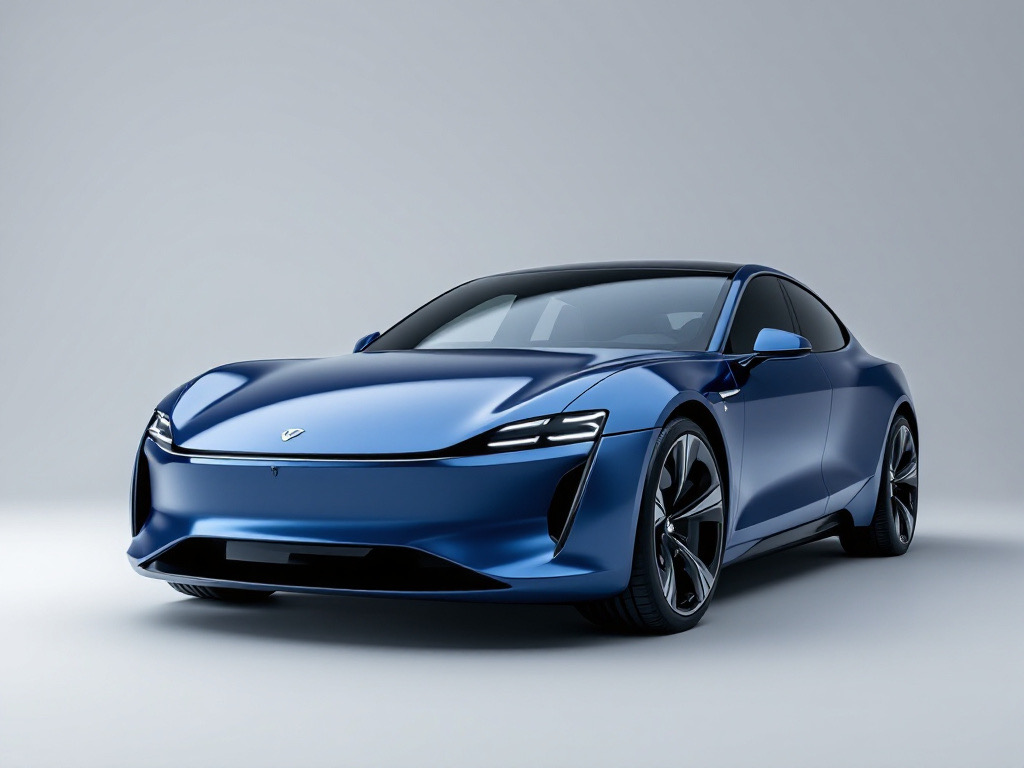
Electric vehicles have tax benefits, but also technical requirements worth checking before paying the supplier.
Tell us what you are bringing and we will review the operation with you.